
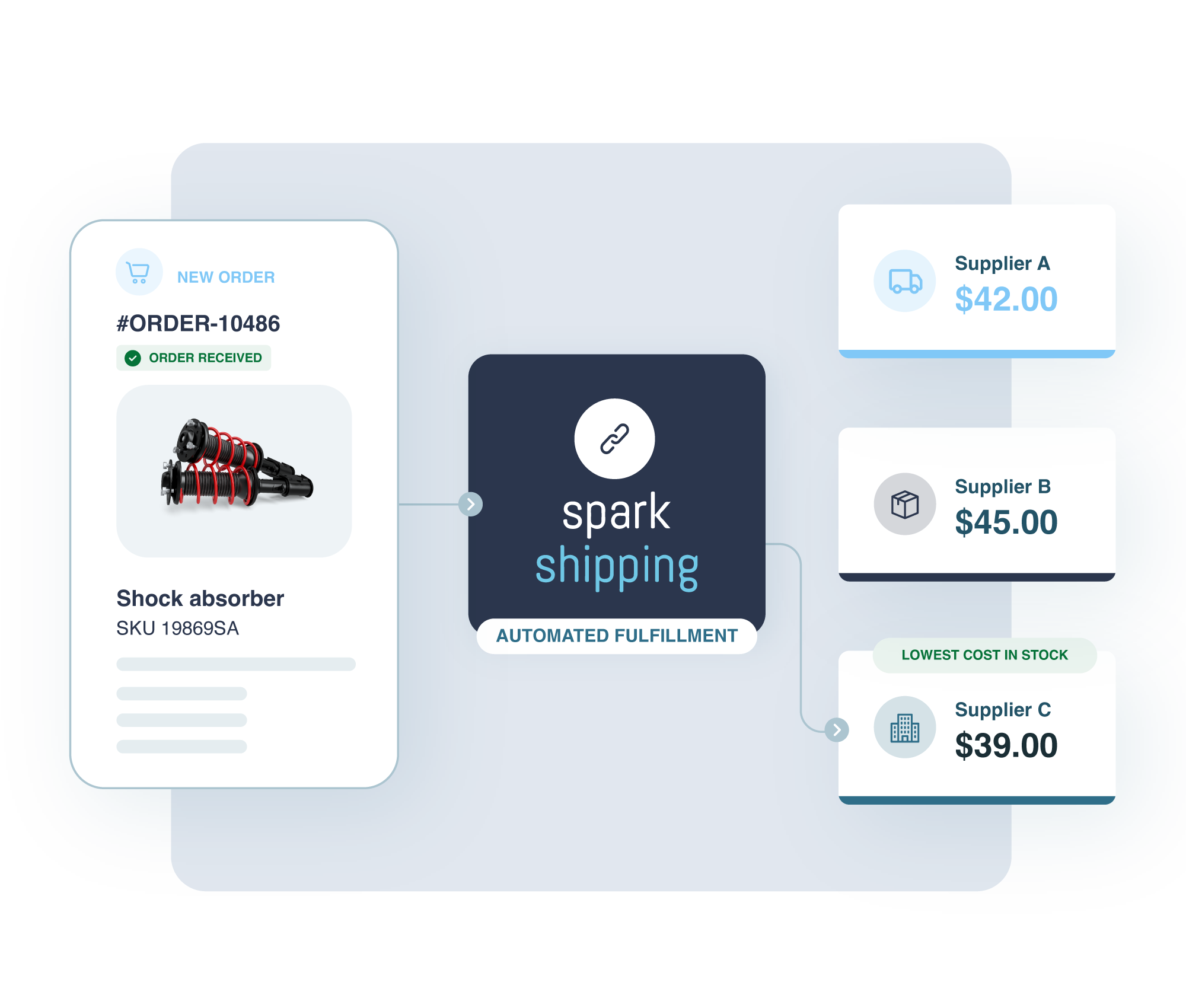
Used by Multi-Supplier Dropshipping Businesses




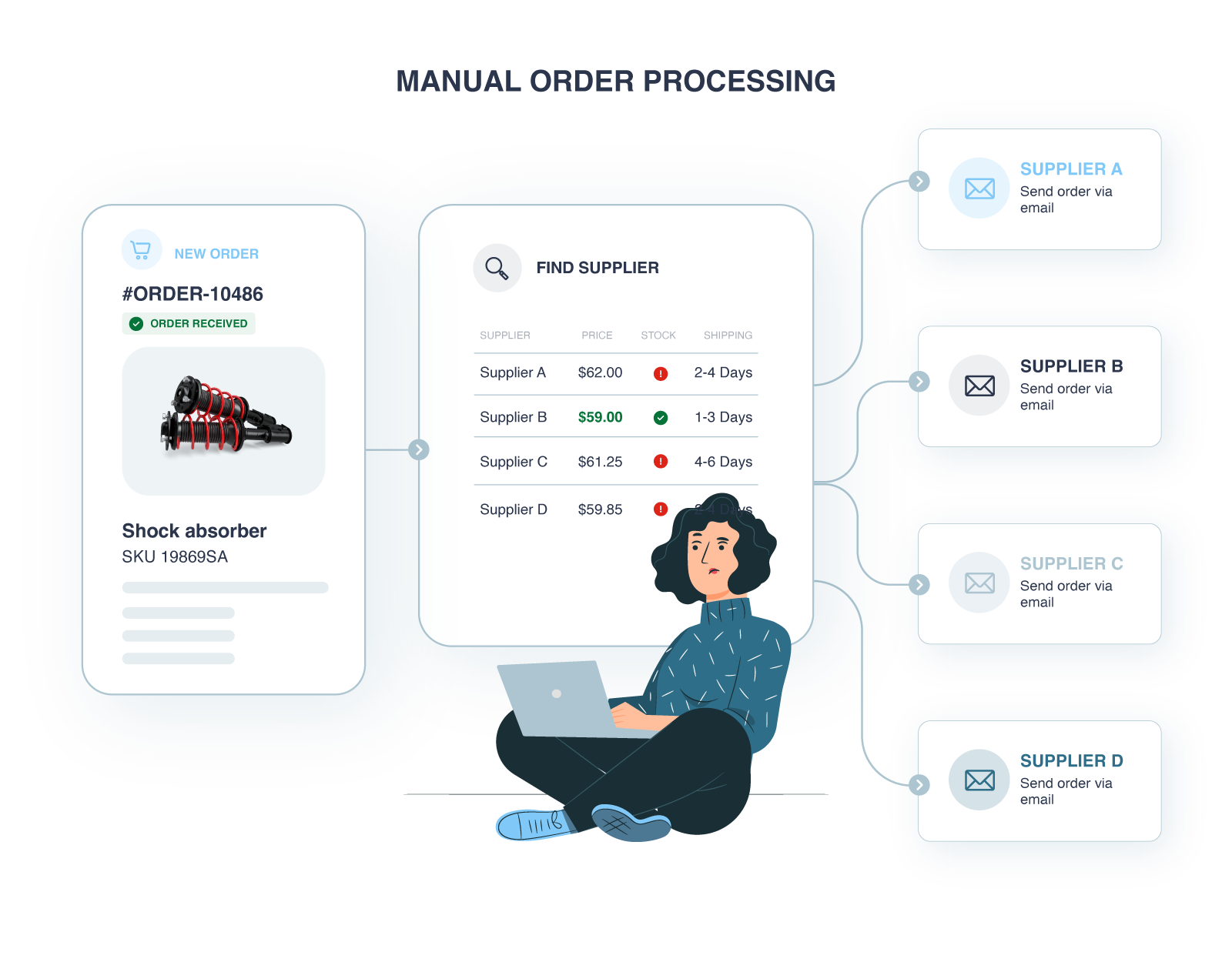
Centralize Fulfillment Operations Across Your Supplier Network
Spark Shipping centralizes fulfillment workflows across suppliers, warehouses, and sales channels within one unified system—so orders can be routed and processed automatically as they enter your system.

Automatically route orders
Send orders to the correct supplier, warehouse, or fulfillment source based on your routing rules.

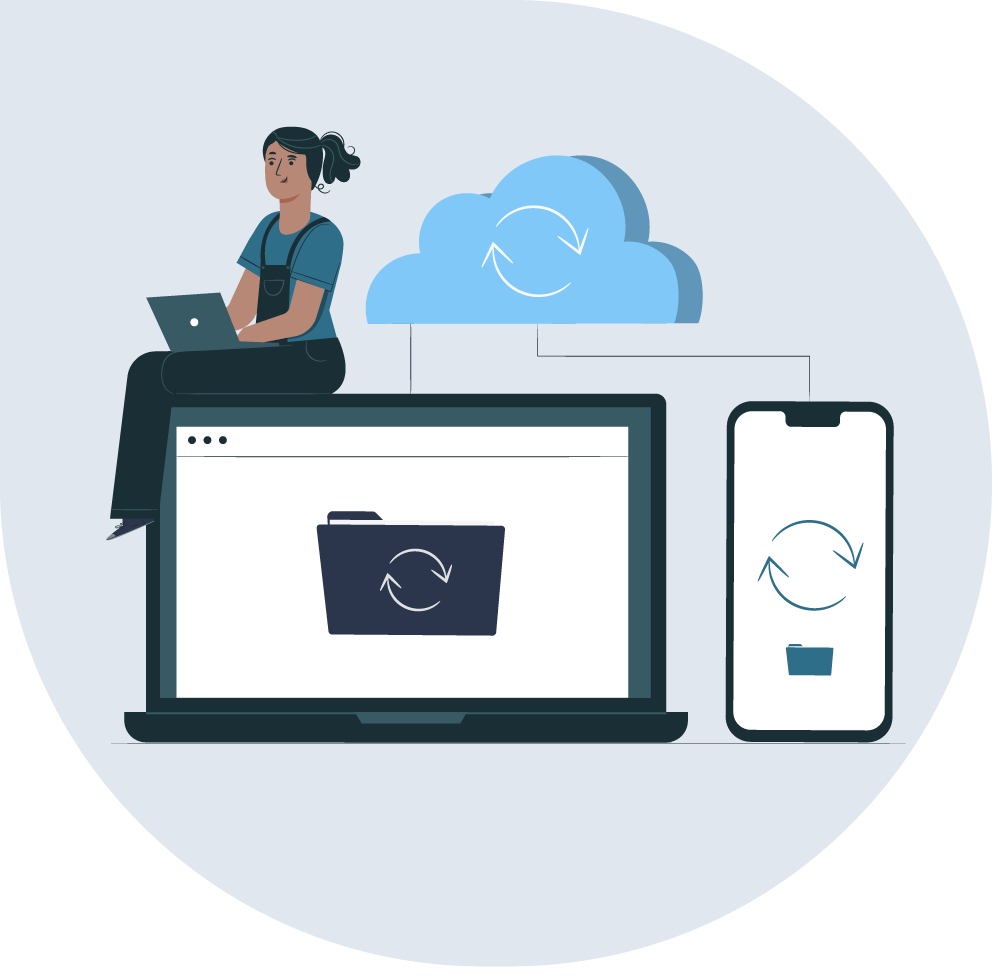
Synchronize fulfillment workflows
Keep supplier communication, order processing, and fulfillment updates aligned across systems.

Scale fulfillment operations
Manage growing order volumes and supplier networks without increasing manual fulfillment work.
The Benefits of Automated Order Fulfillment
Reduce manual order handling
Automate routing, supplier communication, and order processing across your operations.

Improve fulfillment speed
Route orders automatically to reduce processing delays and speed up fulfillment workflows.

Reduce fulfillment errors
Minimize manual routing mistakes and supplier coordination issues.

Support multi-supplier fulfillment
Coordinate fulfillment across vendors, distributors, warehouses, and dropshipping suppliers.

Scale growing order volumes
Manage increasing fulfillment complexity without operational bottlenecks.

Improve fulfillment visibility
Keep fulfillment data synchronized across suppliers and sales channels.
Intelligent Order Routing and Supplier Automation
Spark Shipping supports flexible fulfillment automation rules based on your supplier network and operational requirements.
This helps automate routing decisions while giving you more control over fulfillment operations across your supplier network.
Routing logic can include:

Lowest-cost supplier routing

In-stock supplier prioritization

Preferred supplier rules

Backup supplier workflows

Warehouse prioritization

Shipping location logic

Multi-vendor order routing

Supplier-specific fulfillment workflows


-1.webp)


-1.webp)







%20(1)-1-1.webp)

Supplier integrations
Connect suppliers through API, EDI, FTP, CSV, XML, email-based workflows, and custom integrations.

Multi-supplier operations
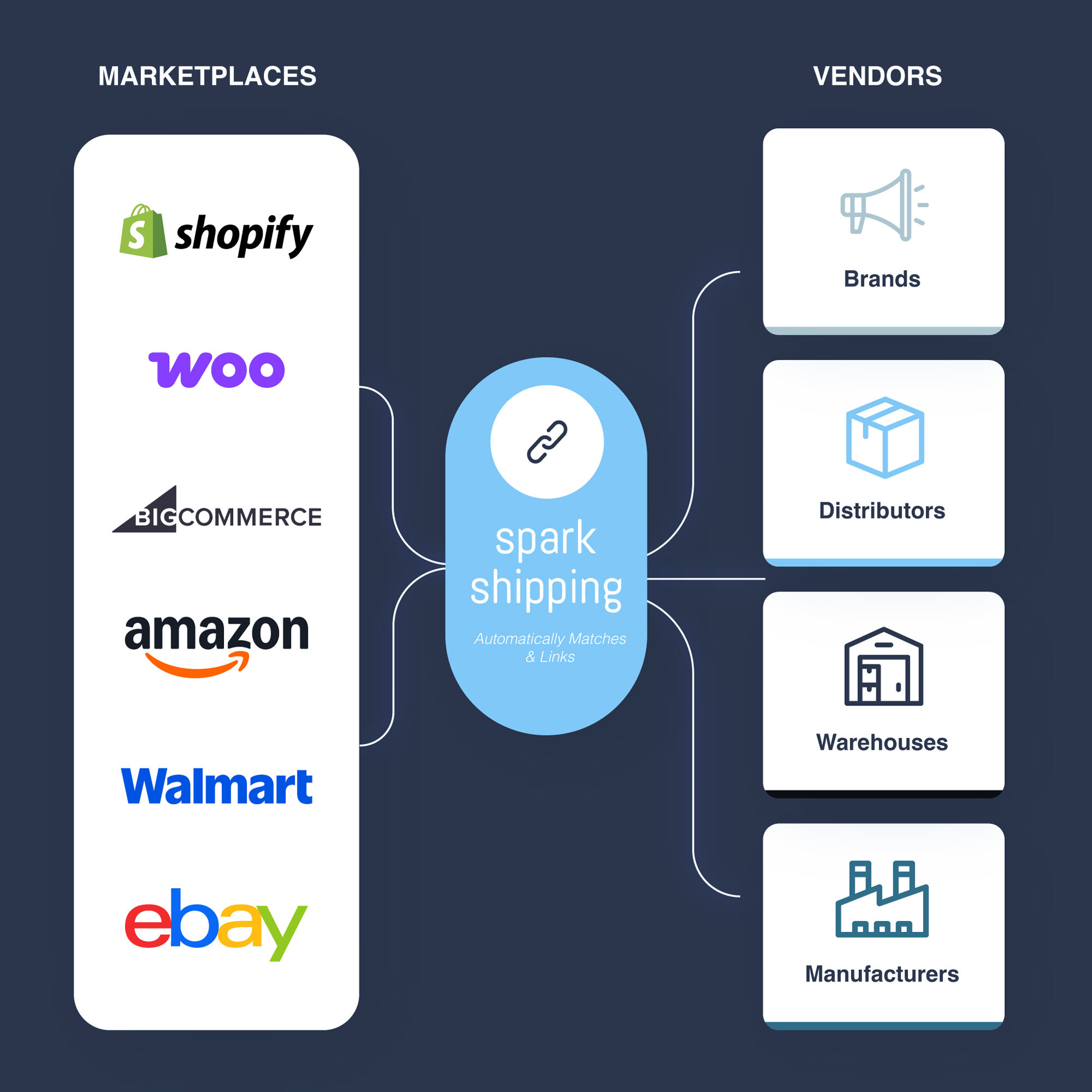
Support suppliers, distributors, warehouses, dropshipping vendors, marketplaces, and sales channels within one connected system.

Fitment (YMM) tools
Export fitment data in the format required by your preferred Year/Make/Model plugin.
-

 "Choosing Spark Shipping was a game-changer... What stood out was their range of pre-existing integrations and their openness to new ones—it never took more than 30 days. This quick integration is quite exceptional in the industry."Paul Andrew, CEORead Full Case Study
 -
 "Spark Shipping has made my business pretty much run on autopilot... The orders come in, get processed, sent to my suppliers, and the tracking is sent back. I never have to worry about inventory levels.Burt WheelerRead Full Case Study
 -
 "The most appealing part was the ability to automate all of my dropship orders. Their help has resulted in a dramatic decrease in the human labor needed to keep our order flow going."Sam FineRead Full Case Study
 -
 "We were looking for a company that could do custom API integrations with our dropshippers... Spark Shipping automated and simplified the flow of order, tracking, and inventory data, saving staff hours."Read Full Case Study