
Dropshipping is a profitable way to take advantage of the demand for eCommerce shopping. Since you don't have to store or fulfill dropshipping products yourself, you can focus on the best part of selling: connecting with customers and watching the sales roll in.
Finding the right dropshipping niche is the key to building a successful dropshipping business. Instead of selling a little bit of everything, it's best to settle in a niche, make yourself well-known for quality products, and grow your business from there.
In this guide, we'll explain why dropshipping niches are so important, suggest 10 of the most profitable ones for 2026, show you how to find a good niche, and offer expert tips to help you dominate your niche of choice.
What Is a Dropshipping Niche?
A dropshipping niche is a focused market segment where you sell specific types of products without holding inventory. Instead of trying to sell everything, you concentrate on a defined category — like automotive parts, outdoor gear, or pet supplies — and build your store around it.
Why does choosing the right niche matter so much? Because it directly impacts every part of your business:
- Effective Marketing: A well-defined niche lets you target a specific audience with messaging that resonates. Instead of generic ads, you can speak directly to car enthusiasts, pet owners, or outdoor adventurers. This precision drives higher conversion rates and lower customer acquisition costs.
- Increased Sales: When your store is known for a particular category, customers trust that you're an authority. That trust translates to repeat purchases and higher average order values. Niche stores consistently outperform general stores in conversion rates.
- Speedier Product Selection: Working within a niche narrows your product research. Instead of evaluating thousands of random products, you focus on a few hundred within your category. This makes it faster to identify winners, negotiate with suppliers, and build a curated catalog.
- Customer Trust: Shoppers prefer buying from specialists. A store dedicated to firearms accessories will always inspire more confidence than a store that sells firearms, kitchen appliances, and baby toys. Specialization signals expertise.
- Lower Competition: Broad niches like "electronics" are saturated. But sub-niches like "marine electronics" or "aftermarket car audio" have far less competition and often higher margins. The more specific you get, the easier it is to dominate.
The key is finding a niche with strong demand, healthy profit margins, reliable suppliers, and products that lend themselves to the dropshipping model. Here are the 10 most profitable dropshipping niches for 2026.
10 Most Profitable Dropshipping Niches in 2026
1. After-Market Automotive Parts and Car Accessories

The automotive aftermarket continues to be one of the most lucrative dropshipping niches, with the global market projected to exceed $500 billion by 2026. In the United States alone, aftermarket parts and accessories generate over $300 billion in annual revenue.
What makes this niche so profitable for dropshippers is the sheer volume of SKUs and the complexity of vehicle fitment data. Every make, model, and year requires specific parts, which creates a massive long-tail keyword opportunity and reduces direct competition from big-box retailers.
Popular product categories include performance parts, replacement components, interior accessories, exterior styling, and lighting upgrades. Profit margins typically range from 20% to 40%, with specialty and performance parts commanding even higher markups.
The automotive niche also benefits from high repeat purchase rates. Car enthusiasts and DIY mechanics come back regularly, and vehicle maintenance is non-optional — people always need replacement parts.
Spark Shipping integrates with major automotive distributors and supports product fitment data like ACES and PIES, making it easier to manage the complexity of automotive catalogs across platforms like Amazon, eBay, and Walmart.
Learn more: Where to Sell Car Parts Online
2. Firearms and Shooting Accessories
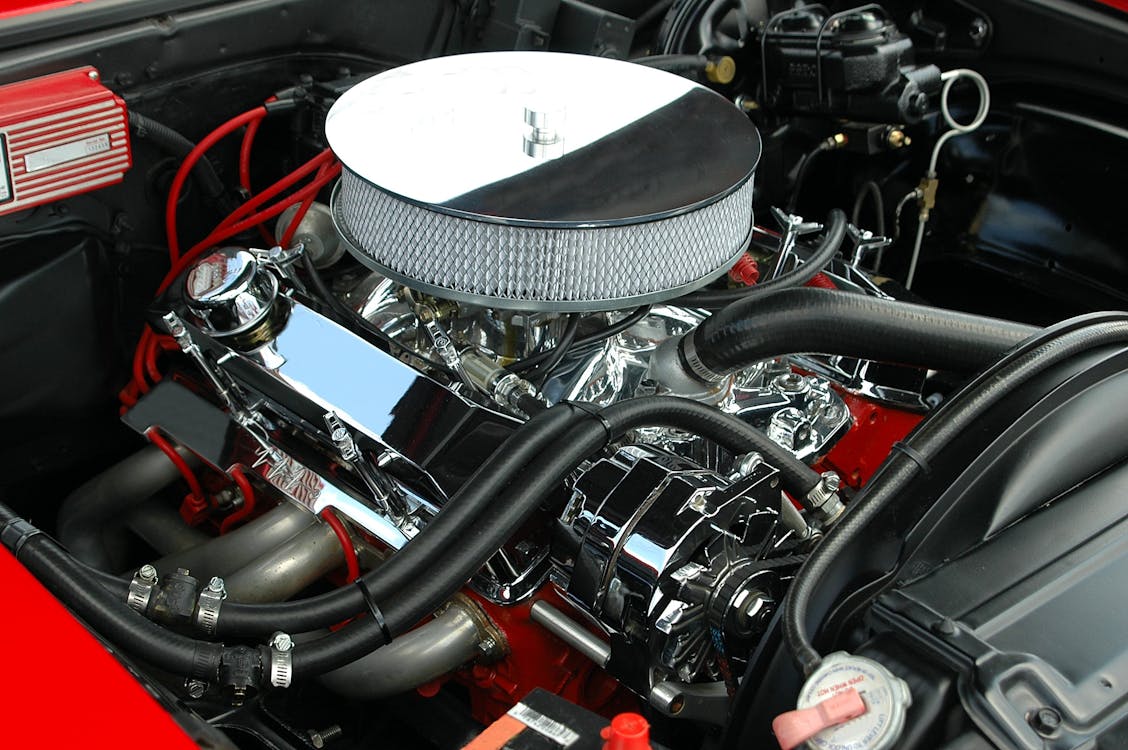
The firearms industry is a $5.7 billion market in the US, and it's one of the highest-margin niches available to dropshippers. While the firearms themselves require FFL licensing and compliance considerations, accessories like optics, holsters, ammunition storage, cleaning kits, and tactical gear can be dropshipped with standard eCommerce setups.
This niche has a built-in advantage: passionate customers with high lifetime value. Firearm owners regularly purchase accessories, upgrades, and maintenance supplies. The community is loyal, brand-conscious, and willing to pay premium prices for quality products.
Profit margins in this space often exceed 30% to 45%, particularly on optics, tactical accessories, and custom parts. The niche also has relatively low competition in the dropshipping space because many platforms restrict firearm-related advertising, creating a barrier to entry that benefits established sellers.
The key to success is understanding compliance requirements and working with reputable distributors. Spark Shipping connects with leading firearms distributors to automate inventory syncing and order routing while maintaining compliance.
Learn more: Where to Sell Guns Online | How to Sell on GunBroker
3. Outdoor and Camping Gear

The outdoor recreation market has surged past $30 billion in 2026, fueled by a sustained post-pandemic interest in hiking, camping, fishing, and overlanding. This niche offers excellent dropshipping potential because products range from small accessories (headlamps, water filters, fire starters) to larger gear (tents, backpacks, coolers).
What makes outdoor gear particularly attractive is the seasonality and cross-selling potential. Camping season drives massive Q2-Q3 demand, while hunting season picks up in Q4. Each activity — hiking, fishing, camping, hunting, overlanding — represents a sub-niche with its own dedicated customer base.
Margins typically range from 25% to 40%, with branded products commanding higher prices. The outdoor community values quality and is willing to pay for premium gear, especially from trusted specialty retailers.
Spark Shipping works with outdoor industry distributors to automate product data syncing, inventory management, and order fulfillment across your sales channels.
Learn more: Dropshipping Outdoor Gear: The Complete Guide
4. Consumer Electronics

Consumer electronics remains a powerhouse dropshipping niche with a US market valued at over $480 billion in 2026. While this is a competitive space, the key to profitability is focusing on sub-niches rather than trying to compete with Amazon on mainstream products.
The most profitable sub-niches include smart home devices, networking equipment, computer peripherals, audio equipment, and specialty tech accessories. These categories often deliver margins of 20% to 35%, especially when you work directly with authorized distributors.
Electronics dropshipping benefits from constant product innovation. New product launches create fresh demand cycles, and tech-savvy customers actively search for the latest releases. This means your catalog stays fresh and there are always new products to promote.
One challenge in electronics is managing product data — specifications, compatibility information, and technical details are critical for conversions. Spark Shipping's integration with Etilize provides rich product content for electronics distributors, including detailed specifications, images, and marketing descriptions.
Learn more: Electronics Dropshipping: How to Get Started
5. Pet Supplies

The pet industry is one of the most recession-proof markets in eCommerce, with US pet spending projected to reach $150 billion by 2026. Pet owners treat their animals as family members and consistently prioritize pet spending even during economic downturns.
This niche offers strong recurring revenue potential. Pet food, treats, supplements, and grooming supplies are consumable products that customers reorder regularly. Combine that with accessories, toys, beds, and health products, and you have a category with both high volume and healthy margins of 25% to 40%.
The pet supplies market is also highly segmentable. You can focus on specific animals (dogs, cats, reptiles, fish), specific product types (organic/natural pet food, luxury pet accessories), or specific customer segments (new pet owners, breeders, veterinary professionals).
Success in this niche depends on building trust through quality product curation and excellent customer service. Pet owners research extensively before purchasing, especially for food and health-related products.
6. Jewelry and Accessories

The global jewelry market is valued at over $380 billion in 2026, and dropshipping has carved out a significant share of this industry. Jewelry is one of the highest-margin dropshipping niches, with markups of 50% to 75% on many products — significantly higher than most other categories.
The key advantage of jewelry dropshipping is the product size and weight. Small, lightweight items mean lower shipping costs, fewer damage claims, and easier logistics. These characteristics make jewelry ideal for the dropshipping model.
Popular sub-niches include fashion jewelry, personalized/custom pieces, fine jewelry (gold, silver, gemstones), and specialty categories like body jewelry, watches, and ethnic/cultural jewelry. Each sub-niche has its own audience and marketing approach.
The challenge in this niche is building trust. Customers are cautious about buying jewelry online, especially from unfamiliar retailers. High-quality product photography, detailed descriptions, generous return policies, and customer reviews are essential for converting browsers into buyers.
7. Office Supplies and Equipment

Office supplies might not be glamorous, but the $12 billion US market offers consistent, predictable demand that many dropshippers overlook. The rise of remote work and hybrid offices has expanded the addressable market beyond traditional businesses to include home offices, co-working spaces, and freelancers.
This niche thrives on repeat purchases. Businesses and professionals regularly reorder ink, paper, toner, shipping supplies, and organizational products. Once you acquire a customer, the lifetime value is substantial because they keep coming back.
Margins range from 15% to 30% on standard supplies, but specialty and ergonomic products like standing desks, monitor arms, and premium office furniture can command margins of 30% or more. The key is combining commodity items (which drive volume) with higher-margin specialty products.
Office supplies also benefit from B2B sales opportunities. Small and medium businesses often prefer to order from online retailers rather than big-box stores, especially when you offer competitive pricing and reliable delivery through automated fulfillment.
8. Beauty Products and Cosmetics

The beauty and cosmetics industry is a $680 billion global market in 2026, with eCommerce capturing an increasingly large share. This niche offers some of the highest margins in dropshipping — often 50% to 65% — making it a top choice for profit-focused sellers.
What drives profitability in beauty is the combination of high margins, small product sizes (low shipping costs), and strong repeat purchase behavior. Customers who find products they love reorder them consistently, creating reliable recurring revenue.
The most profitable sub-niches include skincare (the fastest-growing segment), organic and natural beauty products, K-beauty, men's grooming, and professional-grade cosmetics. The clean beauty movement continues to accelerate, with consumers willing to pay premium prices for products with transparent ingredients.
The main challenge is the competitive landscape and the importance of brand trust. Beauty customers rely heavily on reviews, influencer recommendations, and product demonstrations. A strong content marketing strategy and social media presence are essential for success in this niche.
For product descriptions that convert, see our guide on How to Write a Product Description.
9. Baby Products

The baby products market continues its steady growth trajectory, projected to reach $16.5 billion in the US by 2026 with a compound annual growth rate of 5.2%. New parents are among the most active online shoppers, researching products extensively and prioritizing quality and safety above all else.
This niche benefits from a built-in urgency factor. Parents need products immediately as their baby grows through different stages, and they're willing to pay full price for items they trust. The lifecycle of a baby from newborn through toddler creates a continuous stream of product needs across clothing, feeding, sleeping, safety, and developmental categories.
Margins typically range from 25% to 45%, with premium and eco-friendly products at the higher end. The organic baby product segment is growing particularly fast as parents increasingly seek chemical-free, sustainable options.
Trust is paramount in this niche. Safety certifications, detailed product information, responsive customer service, and easy returns are non-negotiable. Parents will abandon a purchase instantly if they have any doubts about product safety or retailer reliability.
10. Home Goods and Décor

The home goods and décor market has reached $48 billion in the US by 2026, driven by continued interest in home improvement and interior design. This niche covers a vast range of products from small decorative items to larger furnishings, giving dropshippers flexibility in how they approach the market.
The most profitable approach is focusing on decorative items and accessories rather than large furniture pieces. Wall art, candles, throw pillows, kitchen accessories, bathroom décor, and seasonal items are all excellent dropshipping products because they're lightweight, relatively affordable, and have strong visual appeal for social media marketing.
Margins in home goods typically range from 30% to 50%, with handcrafted and artisanal items at the higher end. The category also benefits from seasonal trends — holiday décor, seasonal color palettes, and trending design styles create regular demand spikes that savvy retailers can capitalize on.
Home goods perform exceptionally well with visual marketing strategies. Pinterest, Instagram, and TikTok are powerful channels for showcasing products in styled room settings, driving both organic traffic and paid conversions.
How to Find Out if a Dropshipping Niche Is Profitable

Picking a niche is one thing — validating its profitability is another. Before committing to a niche, you need to evaluate it from multiple angles. Here's how to do it systematically.
Conduct Market Research

Start with demand validation using tools like Google Trends, aHrefs, or SEMrush. Look for niches with consistent or growing search volume over the past 2-3 years. Avoid niches that show sharp seasonal spikes with no baseline demand — you want year-round revenue, not a one-month business.
Analyze the competitive landscape. Search for your target keywords on Google, Amazon, and eBay. If the top results are dominated by massive retailers, the niche may be too competitive. But if you see smaller specialty stores ranking well, there's an opportunity to compete.
Check social media and forums for community activity. Active Reddit communities, Facebook groups, and YouTube channels around a niche indicate passionate buyers who spend money on products in that category.
Look at Profit Margins

Calculate your actual profit margin by factoring in all costs: supplier wholesale price, shipping costs, platform fees, payment processing fees, advertising costs, and returns. A niche that looks like it has 40% margins on paper might only deliver 15% after all expenses.
As a rule of thumb, target niches where you can maintain at least a 20% net profit margin after all costs. Products priced between $50 and $200 tend to offer the best balance of margin and volume — high enough for meaningful profit per sale, low enough for impulse purchases.
Consider Each Niche's Products
Evaluate the products themselves through a dropshipping lens. Ideal dropshipping products are non-perishable, not overly fragile, not too heavy or bulky, don't require assembly or installation support, and aren't regulated to the point where compliance becomes burdensome.
Also consider the product lifecycle. Niches with consumable products (pet food, beauty supplies, office supplies) generate repeat purchases. Niches with durable goods (furniture, electronics) have higher per-transaction values but lower purchase frequency.
Test It Out

Before going all-in on a niche, run a small test. List 20-30 products from a supplier in your target niche. Run a limited ad campaign ($200-$500) targeting your audience. Measure click-through rates, conversion rates, and customer feedback.
A successful test should show a cost per acquisition (CPA) that's sustainable relative to your profit margin. If your average profit per order is $25 and your CPA is $40, that niche won't work unless you can improve your conversion rate or reduce acquisition costs through organic traffic and repeat customers.
Dropshipping Niches to Avoid
Not every product category works well with the dropshipping model. Here are the niches that consistently cause problems for dropshippers.
Clothing and Apparel

Clothing has return rates of 30% or higher, primarily due to sizing issues. Every return eats directly into your profit margin, and managing returns across multiple suppliers is a logistical headache. The category is also hyper-competitive, with fast-fashion giants offering rock-bottom prices that are nearly impossible to compete with on margins alone.
Furniture and Bulky Items

Large, heavy items create shipping nightmares for dropshippers. Freight shipping is expensive, damage claims are frequent, and customers expect white-glove delivery service that most dropshipping suppliers can't provide. The margins often don't justify the operational complexity and customer service burden.
Health Products and Supplements

Health products and dietary supplements come with significant regulatory requirements from the FDA and FTC. Advertising claims are heavily scrutinized, and one compliance violation can result in account suspensions, fines, or legal action. Unless you have expertise in health product regulations, the risk outweighs the reward.
Luxury Items
Luxury goods require authentication and brand authorization that most dropshippers can't obtain. Counterfeit concerns are rampant in online marketplaces, and customers buying luxury items expect a premium shopping experience that's difficult to deliver with a dropshipping model. The liability exposure from accidentally selling counterfeit products is substantial.
Tips to Be Successful in Your Niche
Choosing the right niche is just the beginning. Here's how to build a sustainable, profitable dropshipping business within your chosen market.
Build a Real Brand
Invest in building a brand identity that resonates with your target audience. This means a professional website, consistent visual branding, a clear value proposition, and content that demonstrates your expertise. Branded stores command higher prices, generate more repeat customers, and are more resilient to marketplace competition.
Your brand should answer one question for customers: "Why should I buy from you instead of Amazon?" Whether it's curated product selection, expert advice, superior customer service, or a unique shopping experience — have a clear answer.
Offer Amazing Customer Service
In dropshipping, customer service is your primary differentiator. You don't control the product or shipping, but you do control the customer experience. Respond to inquiries within hours (not days), handle returns gracefully, and proactively communicate about order status.
Consider investing in tools that improve the customer experience: live chat, order tracking pages, automated shipping notifications, and a comprehensive FAQ section. These reduce support tickets while increasing customer satisfaction. For more tips, read our guide on customer service best practices for eCommerce.
Automate Where You Can
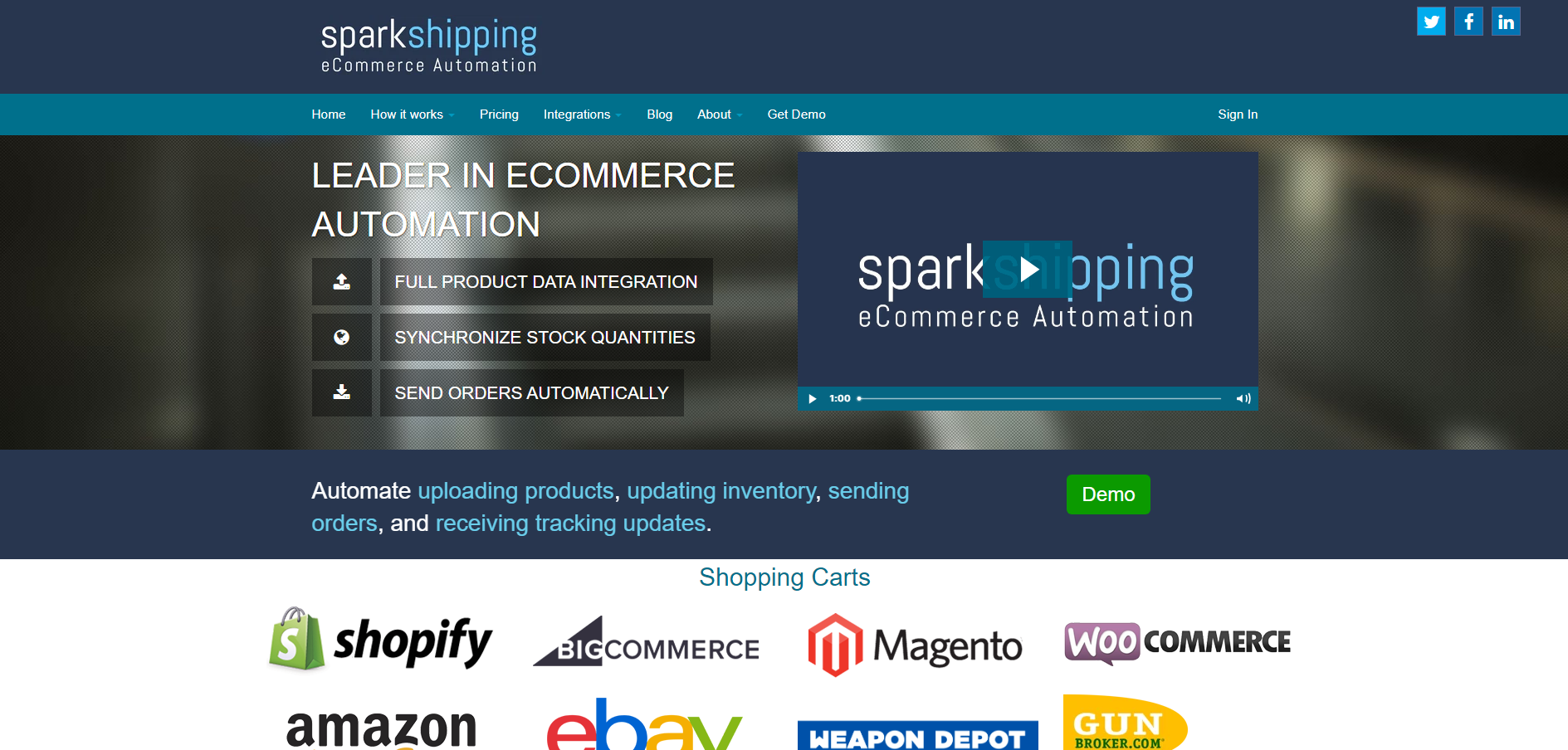
Manual processes don't scale. If you're copying and pasting orders between your store and supplier portals, manually updating tracking numbers, or hand-checking inventory levels, you're leaving money on the table and introducing errors that hurt customer satisfaction.
Automation is what separates profitable dropshippers from ones who burn out. Platforms like Spark Shipping automate the entire fulfillment workflow:
- Automated inventory updates keep your stock levels accurate across all channels
- Automated order routing sends each order to the right supplier instantly
- Automated tracking updates push shipping information to your store and customers
- Multi-vendor management lets you source the same product from multiple suppliers for redundancy
- Pricing automation adjusts your prices based on supplier cost changes
When you automate fulfillment, you can focus on what actually grows your business: marketing, customer acquisition, and expanding your product catalog.
Frequently Asked Questions
What is the most profitable niche for dropshipping in 2026?
Aftermarket automotive parts and accessories is consistently one of the most profitable dropshipping niches, with a market exceeding $500 billion and margins of 20-40%. Firearms accessories, beauty products, and jewelry also offer high profit margins. The best niche for you depends on your expertise, supplier access, and marketing capabilities.
How much money can you make dropshipping in a niche?
Revenue varies widely based on niche, scale, and execution. Established niche dropshippers typically earn between $5,000 and $50,000 per month in revenue, with net profit margins of 15-30% after all expenses. Top performers in high-margin niches like automotive or firearms can exceed $100,000 per month in revenue.
How do I find dropshipping suppliers for my niche?
Start with industry-specific trade shows and directories. Search for wholesale distributors in your niche who offer dropshipping programs. Platforms like Spark Shipping maintain a network of pre-integrated suppliers across multiple niches, making it easier to connect with reliable vendors who support automated fulfillment.
Can I dropship in multiple niches at once?
While it's technically possible, it's not recommended for new dropshippers. Managing multiple niches splits your focus, dilutes your brand identity, and makes marketing more expensive. Start with one niche, build it to profitability, and then consider expanding. If you do manage multiple niches, use separate storefronts for each.
Is dropshipping still profitable in 2026?
Yes, dropshipping remains profitable in 2026 for retailers who choose the right niche, work with reliable suppliers, and invest in automation. The market has matured — low-effort, AliExpress-based stores are less viable than they were five years ago. But professional dropshippers with strong supplier relationships, automated operations, and genuine brand value continue to thrive.
What profit margin should I target for dropshipping?
Aim for a minimum of 20% net profit margin after all costs (product cost, shipping, platform fees, payment processing, advertising, and returns). Some niches like jewelry and beauty products can achieve 50%+ margins, while competitive categories like electronics may deliver 15-25%. Higher margins give you more room for marketing spend and unexpected costs.
Revolutionize How Your Dropshipping Business Operates With Spark Shipping
Choosing the right niche is step one. Step two is building the operational infrastructure to run it profitably at scale. Spark Shipping is the automation platform built for established multi-supplier dropshippers who need reliable, scalable fulfillment.
With Spark Shipping, you get automated inventory syncing, intelligent order routing, real-time tracking updates, and multi-vendor management — all connected to your eCommerce platform and your suppliers' systems. No more manual order entry. No more overselling. No more tracking number chaos.
Whether you're dropshipping automotive parts, firearms accessories, outdoor gear, or any other niche, Spark Shipping gives you the automation backbone to grow without adding operational headcount.
Schedule a demo to see how Spark Shipping can transform your dropshipping fulfillment.